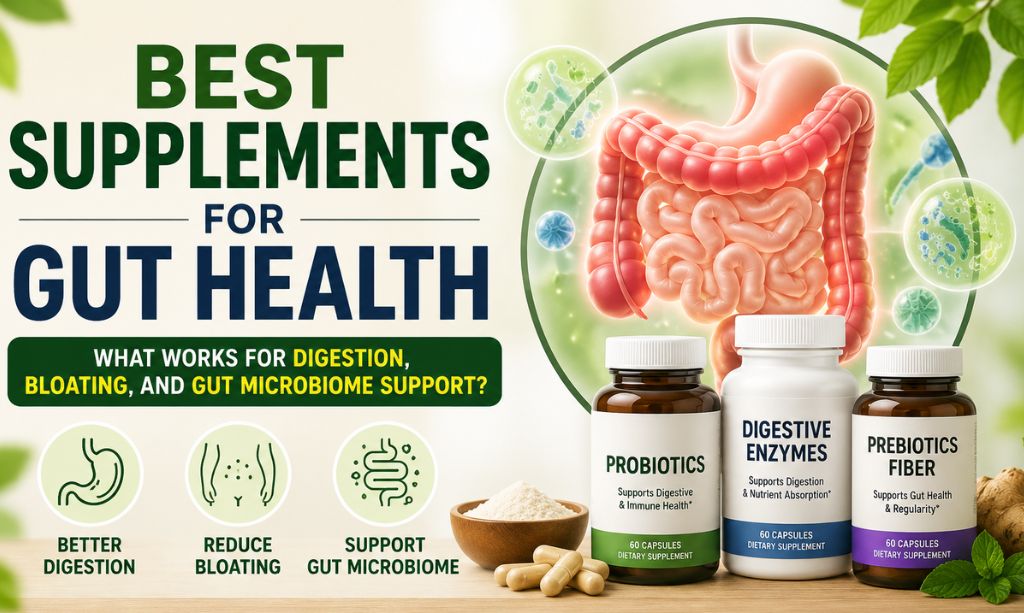
Best Supplements for Gut Health: What Works for Digestion, Bloating, and Gut Microbiome Support?
Stomach bloating after meals. Constant gas. Irregular bowel movements. A heavy feeling that refuses to go away.
Most people have experienced at least one of these symptoms. The problem is that many assume all digestive issues have the same cause. They don't.
A person struggling with constipation-related bloating needs a completely different solution than someone dealing with slow stomach emptying or gut microbiome imbalance. Yet the digestive health market is filled with generic powders, detox drinks, and "gut healing" supplements that promise to solve everything at once.
That approach rarely works.
Clinical guidelines from organizations such as the American College of Gastroenterology focus on targeted digestive support rather than all-in-one formulas. Since bloating, abdominal discomfort, irregular stools, and gas originate from different mechanisms inside the digestive tract, the best supplements for gut health are usually symptom-specific.
If you're looking for gut health supplements manufacture in India, understanding the root cause of your digestive symptoms is often more important than choosing the supplement with the biggest marketing claims.
Why Choosing the Right Gut Supplement Matters
Many digestive supplements fail because they are selected based on trends rather than symptoms.
For example, someone experiencing bloating immediately after eating may have delayed gastric emptying. Another person may be bloated because chronic constipation allows waste to remain in the colon longer, producing more gas through bacterial fermentation. A third individual may be dealing with microbiome imbalance that affects digestion and bowel regularity.
All three situations feel similar.
Yet all three require different nutritional support.
That is why evidence-backed supplements focus on specific digestive pathways rather than broad promises of "gut repair."
Best Supplements for Gut Health Backed by Clinical Evidence
Several digestive supplements have been evaluated through placebo-controlled clinical studies. These ingredients consistently show measurable physiological benefits when matched to the right symptoms.
1. Enteric-Coated Peppermint Oil for Bloating and Trapped Gas
Peppermint oil remains one of the most researched supplements for abdominal bloating and digestive spasms. It contains L-menthol, a naturally occurring compound that helps relax smooth muscles lining the digestive tract. Since intestinal spasms can trap gas and create pressure inside the abdomen, relaxing these muscles often reduces discomfort.
There is one important detail.
The peppermint oil should be enteric-coated. This protective coating prevents the capsule from dissolving in the stomach. Without it, peppermint oil may relax the lower esophageal sphincter and trigger acid reflux or heartburn. Enteric coating allows the ingredient to reach the small intestine before being released.
People commonly use enteric-coated peppermint oil for:
-
Lower abdominal bloating
-
Irritable bowel syndrome (IBS) symptoms
-
Trapped gas
-
Digestive cramping
-
Post-meal abdominal discomfort
Many users notice symptom relief within 24 hours.
2. Probiotics for Gut Microbiome Balance
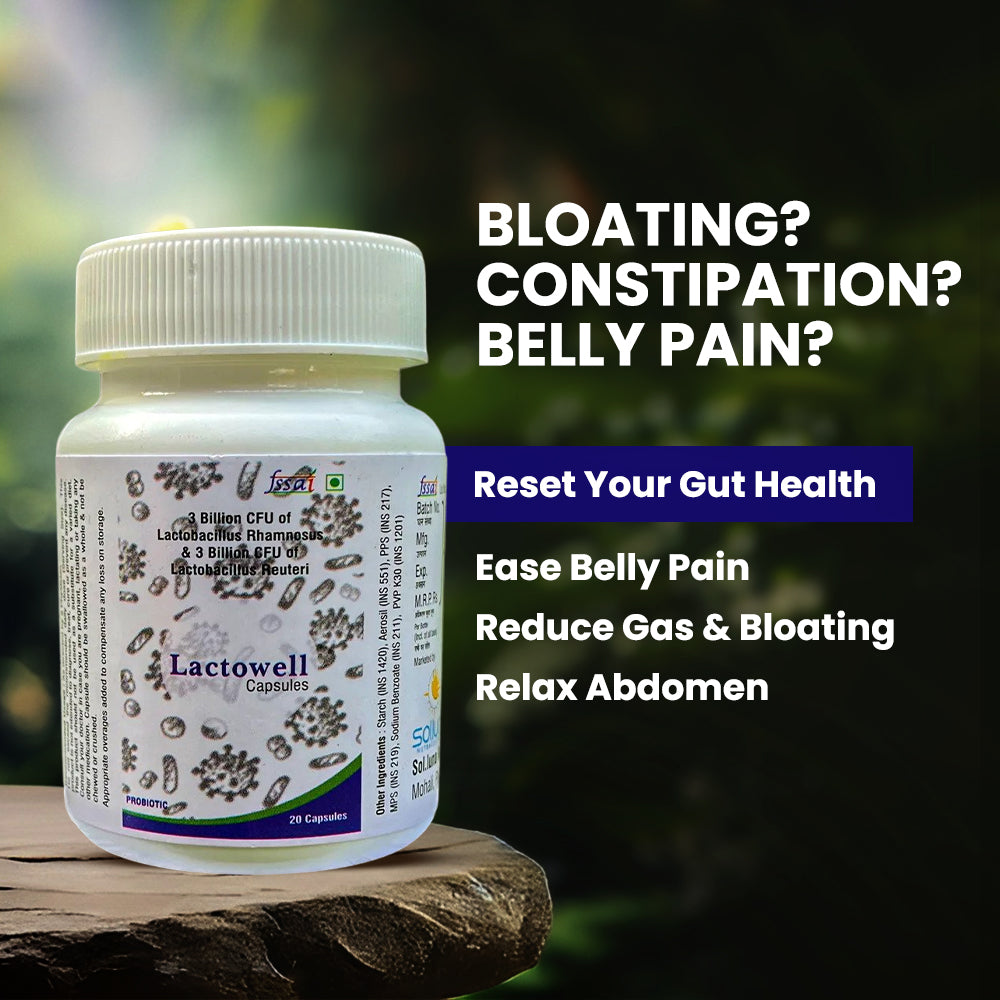
Probiotics like Lactowell are among the most popular supplements for digestive health. Yet many consumers focus on the wrong metric.
They look at CFU numbers.
A supplement advertising 50 billion CFUs may sound impressive, but strain selection matters far more than bacterial count. Certain probiotic strains have stronger clinical support than others.
Research has shown positive digestive outcomes with strains such as Lactobacillus rhamnosus GG and selected Bifidobacterium species. These beneficial bacteria help support gut barrier function, regulate local immune responses, and compete with gas-producing microorganisms.
Targeted probiotics may be useful for:
-
Chronic bloating
-
Irregular bowel movements
-
Gut microbiome imbalance
-
Digestive discomfort
-
Recovery after antibiotic use
Unlike peppermint oil, probiotics require consistency. Most people need at least three to four weeks before meaningful microbiome changes occur.
3. PHGG Fiber for Long-Term Gut Health
Fiber recommendations can be confusing.
Many people increase fiber intake hoping to solve digestive issues, only to experience more bloating. Traditional fibers such as wheat bran and some high-fermenting fibers can produce substantial gas during fermentation.
Partially Hydrolyzed Guar Gum, often called PHGG, works differently.
PHGG is a gentle prebiotic fiber that ferments slowly inside the digestive tract. Because fermentation occurs gradually, beneficial bacteria receive nourishment without creating large gas pockets that worsen abdominal discomfort.
PHGG may support:
-
Digestive regularity
-
Gut microbiome diversity
-
Long-term bowel health
-
Chronic bloating management
-
Mild constipation support
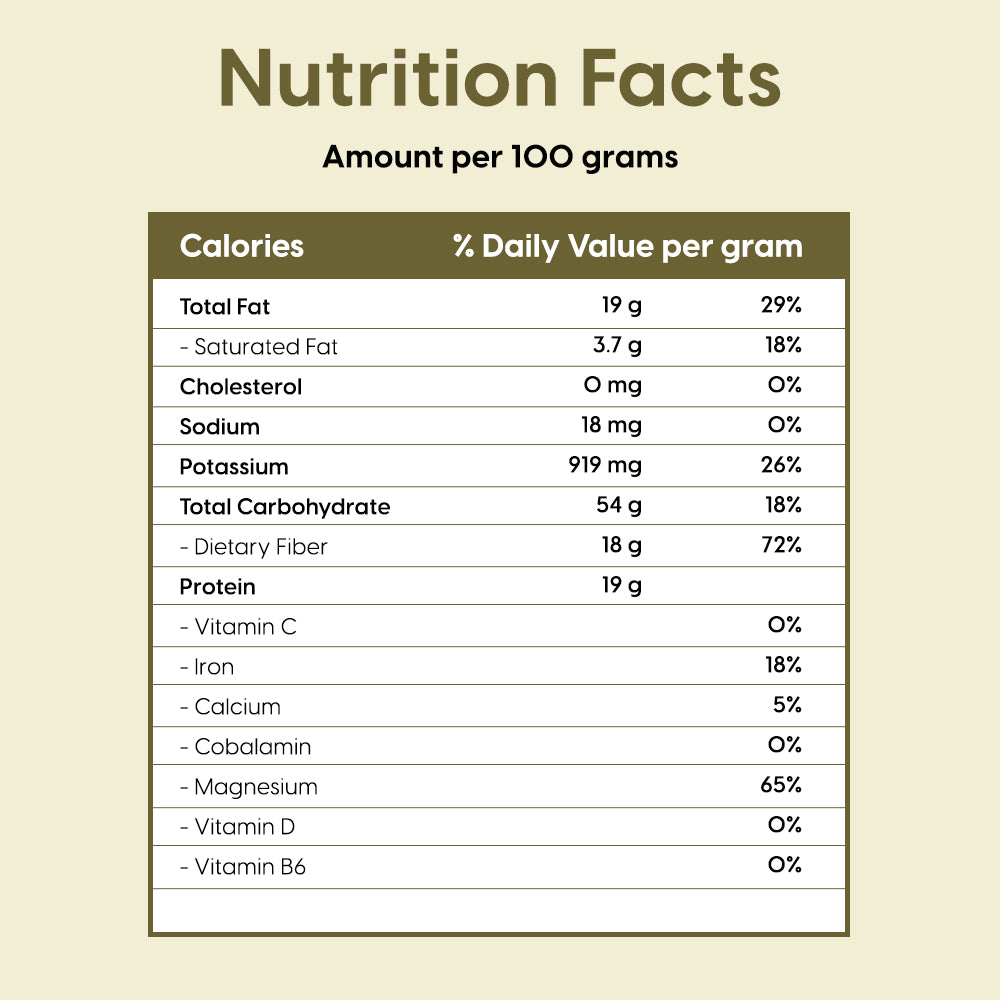
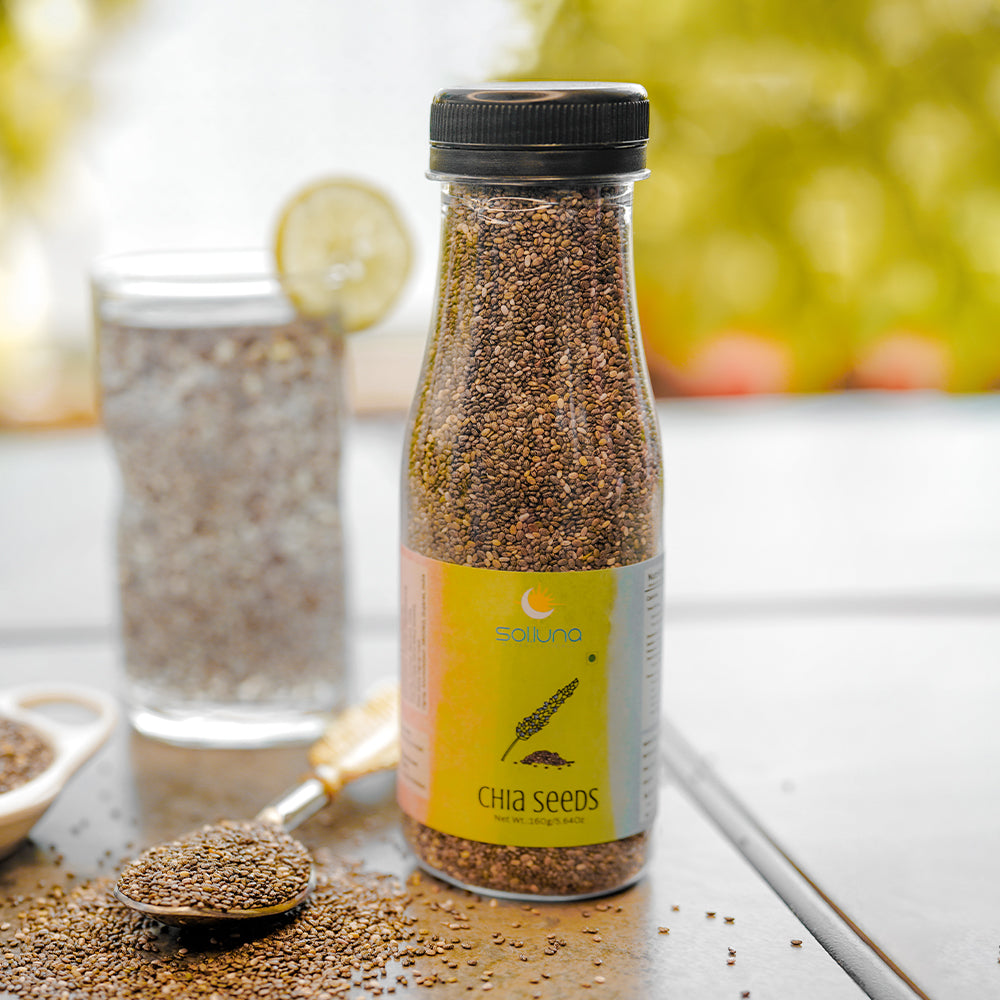
For people searching for chia seeds or a prebiotic supplement for gut health, PHGG is often better tolerated than many traditional fibers.
4. Ginger Extract for Slow Digestion
Not all bloating starts in the intestines.
Some individuals feel bloated almost immediately after eating. The stomach feels overly full, digestion feels slow, and there is often pressure below the rib cage.
This pattern may indicate functional dyspepsia, a condition associated with delayed stomach emptying.
Concentrated ginger extract contains gingerols, compounds that help stimulate upper digestive tract movement. Since food moves through the stomach more efficiently, feelings of heaviness may decrease after meals.
Ginger supplements are commonly used for:
-
Slow digestion
-
Post-meal fullness
-
Functional dyspepsia
-
Heavy stomach sensation
-
Digestive sluggishness
For best results, ginger extract is often taken about 30 minutes before larger meals.
5. Magnesium Citrate for Constipation-Related Bloating
Constipation is one of the most overlooked causes of digestive discomfort.
When stool remains in the colon longer than normal, bacteria continue fermenting waste material. This extended fermentation generates additional gas and abdominal pressure.
Magnesium citrate acts as an osmotic laxative. It draws water into the intestines and supports smoother bowel movements. By addressing constipation, it often reduces associated bloating and digestive discomfort.
Magnesium citrate may help people experiencing:
-
Chronic constipation
-
Hard stools
-
Gas linked to irregular bowel movements
-
Digestive sluggishness
-
Abdominal pressure caused by stool retention
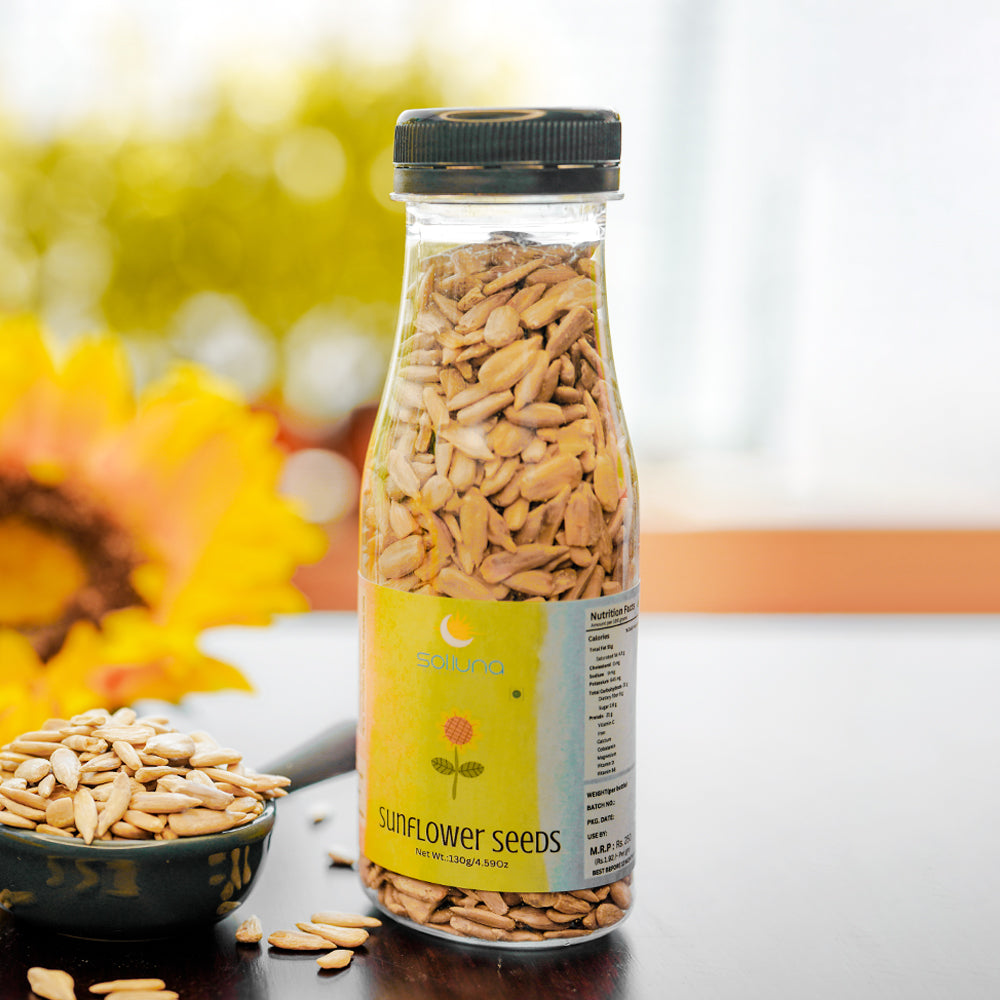
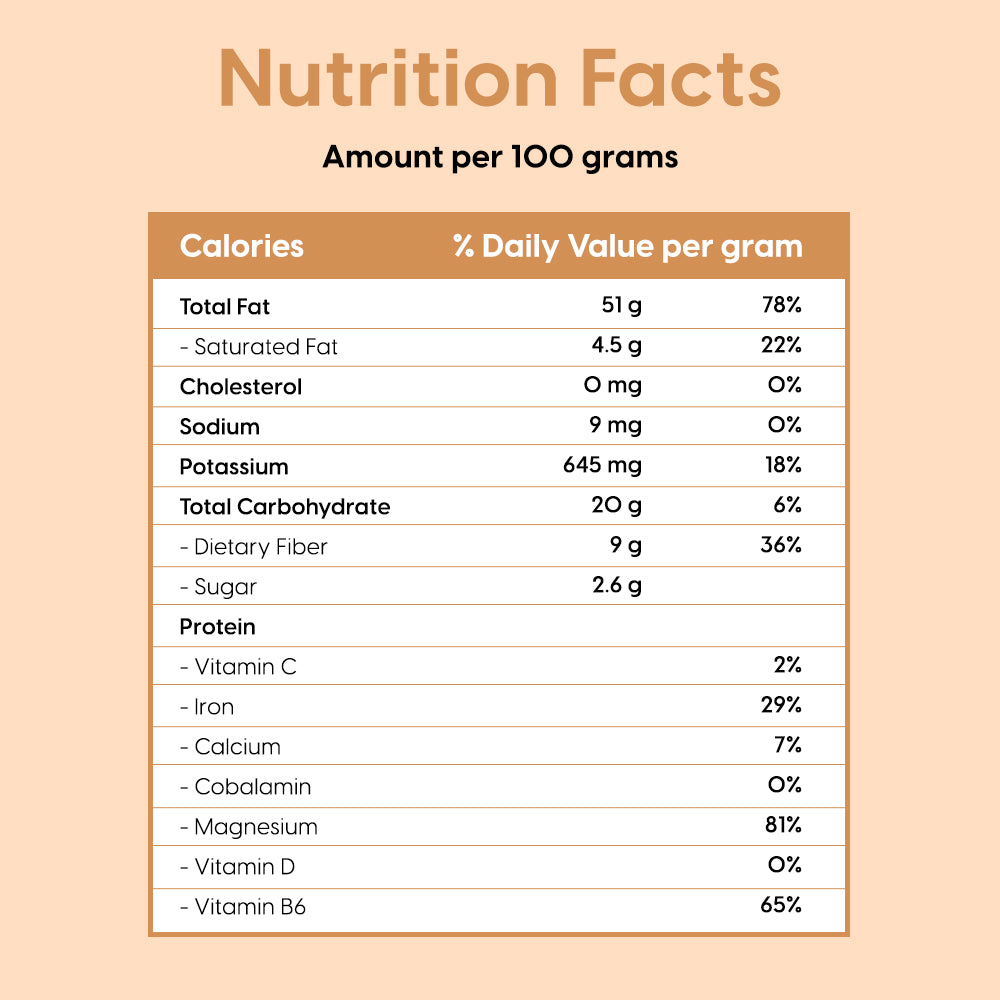
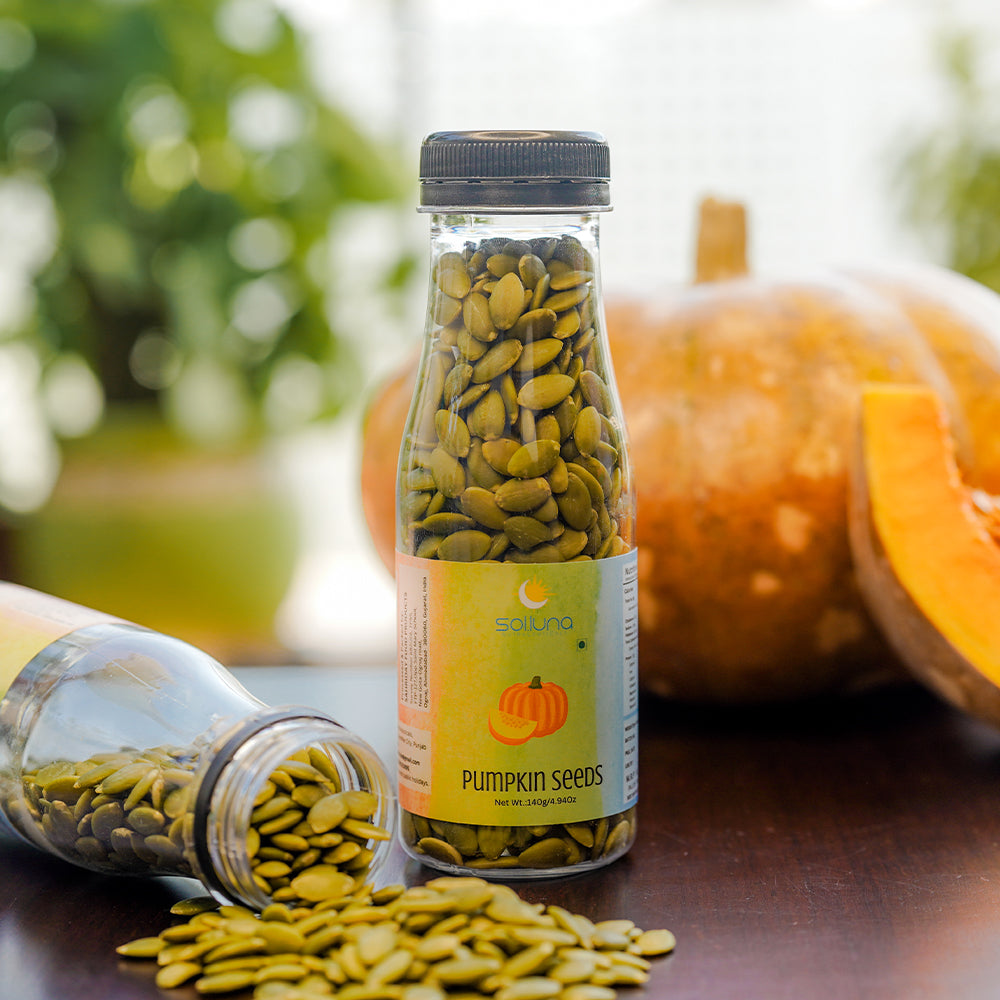
Natural sources like sunflower seeds and pumpkin seeds are good sources of magnesium.
Which Gut Supplement is Best for Your Symptoms?
|
Digestive Problem |
Recommended Supplement |
Why It Helps |
|
Lower abdominal bloating and trapped gas |
Enteric-Coated Peppermint Oil |
Relaxes intestinal muscle spasms |
|
Fullness immediately after eating |
Ginger Extract |
Supports stomach emptying |
|
Chronic bloating with irregular stools |
Targeted Probiotics |
Supports microbiome balance |
|
Constipation-related gas and bloating |
Magnesium Citrate |
Encourages regular bowel movements |
|
Long-term digestive regularity |
PHGG Fiber |
Supports beneficial gut bacteria |
Are Digestive Enzymes Worth Taking?
Digestive enzyme supplements are widely available across India. Many formulations contain enzymes such as amylase, lipase, and protease.
The marketing often sounds convincing.
The science is more nuanced.
Healthy individuals already produce sufficient amounts of these digestive enzymes. Unless there is a diagnosed condition such as pancreatic insufficiency or a specific intolerance like lactose intolerance, over-the-counter digestive enzyme blends may offer limited benefits for general bloating.
This is why digestive enzymes should not automatically be considered the best supplement for gut health.
The underlying digestive issue still matters.
Who Should Be Careful with Gut Supplements?
Certain digestive conditions require extra caution.
People with SIBO
Small Intestinal Bacterial Overgrowth occurs when bacteria accumulate in the wrong part of the digestive tract. In these situations, adding prebiotic fibers such as inulin, chicory root, or fructooligosaccharides may worsen symptoms.
Many individuals with SIBO experience severe bloating shortly after consuming these ingredients.
Immunocompromised Individuals
People with severely weakened immune systems should consult a healthcare professional before beginning high-dose probiotic supplementation. Although uncommon, bacterial translocation has been reported in specific high-risk groups.
Consumers Using Flavored Gut Powders
Many supplements contain sugar alcohols such as:
-
Sorbitol
-
Xylitol
-
Mannitol
These ingredients are highly fermentable and can trigger gas, bloating, and diarrhea. Always review the ingredient label rather than focusing only on the active ingredients.
How to Test New Gut Health Supplements
One of the biggest mistakes people make is starting several supplements at the same time.
A probiotic on Monday. Fiber on Tuesday. Digestive enzymes on Wednesday.
Then symptoms change.
At that point, it becomes impossible to identify which ingredient helped or caused problems.
A better approach is simple.
Introduce one supplement at a time. Continue using it consistently for at least two weeks before making another change. This method provides clearer feedback and helps identify the products that genuinely support your digestive health.
Final Thoughts
Finding the best supplements for gut health starts with understanding your symptoms. Bloating, constipation, trapped gas, digestive heaviness, and microbiome imbalance may feel related, but they often require completely different nutritional approaches.
Enteric-coated peppermint oil remains one of the strongest options for trapped gas and digestive spasms. Targeted probiotics support gut microbiome health. PHGG offers gentle prebiotic nourishment. Ginger extract helps people struggling with slow digestion, while magnesium citrate remains useful for constipation-induced bloating.
The goal is not taking more supplements.
The goal is choosing the right supplement for the right digestive problem and giving it enough time to work.
Related post
03
Jul