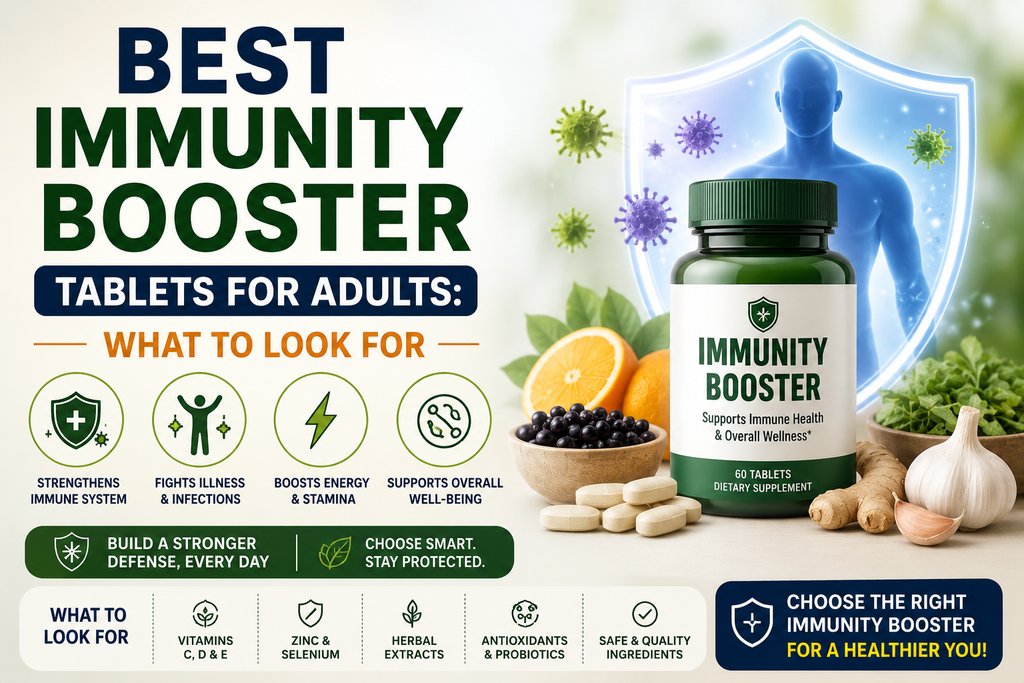
Best Immunity Booster Tablets for Adults: What to Look For
Most adults do not search for immunity tablets casually. They usually start looking after repeated colds, slow recovery, low energy, or constant seasonal infections. Many also feel confused because the supplement market is crowded with exaggerated claims, “instant immunity” promises, and long ingredient lists that rarely explain absorption quality or clinical dosage properly.
Here is the catch. Immunity does not improve overnight. Your immune system depends on nutrient status, sleep quality, gut health, stress levels, and recovery capacity. Supplements can support those systems. They cannot replace healthy habits entirely.
In 2026, the immunity supplement market has changed rapidly. The global market reached $16.47 billion, growing at a 10.06% CAGR according to 360iResearch™. Consumers are moving away from basic multivitamins and now choosing more targeted, bioavailable formulations. Bioavailability means how efficiently your body absorbs nutrients. That matters because poor absorption often limits supplement effectiveness even when labels look impressive.
Another concern is widespread nutrient deficiency. Around 70% of urban adults are Vitamin D deficient, according to DocIndia Health Data 2026. Low Vitamin D levels may affect immune regulation, energy levels, recovery response, and overall wellness. This is one reason doctors and nutritionists now focus more on nutrient correction instead of random supplementation.
Ingredients That Matter in Immunity Booster Tablets
Not every immunity tablet delivers meaningful support. Ingredient quality, absorption form, and dosage accuracy matter more than ingredient count.
Vitamin D3 for Immune Activation
Vitamin D3 supports T-cell activation. T-cells are immune defense cells that identify and respond to infections. Most experts recommend looking for 2000 IU Vitamin D3 in maintenance formulations because this dosage commonly supports long-term nutrient balance in adults.
Timing also matters. Since Vitamin D is fat-soluble, taking it with healthy fats can improve absorption by 30–50%. Many low-quality supplements ignore this practical detail.
Liposomal Vitamin C for Better Absorption
Liposomal Vitamin C uses lipid-based delivery technology. That means nutrients are wrapped in microscopic fat layers to support better absorption compared to standard ascorbic acid.
Research from the Smytten Wellness Study 2026 found that regular intake of 500mg+ Vitamin C reduced cold duration in adults by around 8% to 14%. This does not mean supplements prevent illness completely. It means recovery may become shorter and easier to manage.
Zinc for White Blood Cell Function
Zinc plays an important role in immune signaling and white blood cell activity. Better forms include Zinc Bisglycinate and Zinc Gluconate because they are usually gentler on digestion and better absorbed.
More is not always better. Excessive Zinc intake above 40mg/day may contribute to copper deficiency over time. Many high-dose formulas ignore this balance completely.
Elderberry for Seasonal Support
Standardized elderberry extracts contain anthocyanins. These are antioxidant-rich plant compounds linked with immune support and antiviral activity.
Research suggests elderberry may reduce flu symptom duration by 2–4 days in some adults. That is why elderberry formulations are now commonly used during seasonal infections or travel-related exposure.
Medicinal Mushrooms for Immune Regulation
Medicinal mushrooms like Reishi and Maitake contain Beta-glucans. These are natural compounds that help support natural killer cell activity. Natural killer cells help the body identify infected or abnormal cells more efficiently.
Many long-term wellness users now choose medicinal mushroom blends because chronic stress and elevated cortisol can suppress immune response gradually over time.
Probiotics for Gut-Linked Immunity
Around 70% of the immune system resides in the gut. This is why probiotics are now considered part of immunity support instead of only digestive support.
Look for spore-based probiotics and clinically studied strains like L. rhamnosus and B. lactis. These strains may support microbial balance, gut barrier function, and immune communication.
Why “Instant Immunity Boost” Claims Are Misleading
Many products still market immunity like a quick energy drink. Human biology does not work that way.
Nutrient deficiencies take time to correct. Vitamin D blood levels, for example, may require 2–3 weeks of consistent supplementation before reaching more optimal therapeutic ranges. Consistency matters more than aggressive short-term dosing.
This is why sustainable immune support focuses on routine, nutrition quality, stress management, sleep recovery, and proper supplementation together.
Common Mistakes Adults Make While Choosing Immunity Tablets
Many consumers buy supplements based only on ingredient quantity. A tablet containing 25 ingredients may still provide weak clinical value if dosages are too low or absorption forms are poor.
Another mistake is ignoring bioavailability completely. Chelated minerals (minerals bonded for easier absorption), liposomal nutrients, and spore-based probiotics often perform better because the body absorbs them more efficiently.
Some adults also assume “natural” automatically means safe. That is inaccurate. High-dose Turmeric or Curcumin may act as blood thinners and could interfere with surgeries or anticoagulant medications. Excessive Vitamin D may lead to hypercalcemia. Hypercalcemia means calcium buildup in the blood. Very high Vitamin B6 intake may also contribute to nerve-related complications over time.
Why Adults Search for Immunity Supplements
Different users usually have different goals behind immunity supplement searches.
Frequent Seasonal Infections
Some adults feel they catch every cold or flu circulating around them. These users often look for Vitamin C + Zinc combinations during early symptoms or weather changes.
Long-Term Wellness Support
Some users want preventive support instead of reactive treatment. They usually prefer Ashwagandha, medicinal mushrooms, probiotics, or adaptogenic formulations because stress management also affects immune regulation.
Nutritional Backup Support
Others simply know their diet quality is inconsistent. These users often choose multivitamins containing Selenium, Vitamin A, Vitamin D3, and Zinc to help fill nutritional gaps.
How to Choose Better Immunity Booster Tablets
Before buying any supplement, check for third-party certifications like FSSAI, USP, or NSF. These certifications help verify ingredient quality and label accuracy.
Blood testing also matters. A Vitamin D3 and B12 test may identify actual deficiencies before starting long-term supplementation. There is little benefit in blindly taking high-dose supplements without understanding your nutrient status first.
Ingredient quality matters too. In 2026, premium supplement brands increasingly avoid Titanium Dioxide, excessive artificial sweeteners, and unnecessary colorants. According to the Natural Immune Booster Report, demand for clean-label and herbal formulations increased by 40%.
How Solluna Approaches Plant-Based Immunity Support
Solluna focuses on plant-based nutrition with cleaner formulations and ingredient transparency. That matters because many adults now prefer nutritional support that fits long-term wellness goals without excessive stimulants, artificial fillers, or poorly absorbed compounds.
Since modern immunity support depends on absorption quality, consistency, and nutritional balance, formulation standards matter more than exaggerated marketing promises.
Final Thoughts
The best immunity booster tablets for adults are not always the products with the loudest claims or the longest ingredient lists. Better supplements usually focus on proper dosage, cleaner ingredients, bioavailability, gut support, and long-term safety.
And by the way, supplements work best when daily habits already support recovery. Sleep still matters. Stress still matters. Food quality still matters. Immunity tablets should support your body consistently, not replace healthy routines completely. Shop Now
FAQs
What are the best immunity booster tablets for adults?
The best immunity booster tablets usually contain clinically relevant nutrients like Vitamin D3, Zinc, Vitamin C, probiotics, and plant-based antioxidants. Better formulations focus on absorption quality, proper dosage, and ingredient transparency instead of simply adding more ingredients.
Do immunity booster tablets work immediately?
No. Immunity supplements do not create instant immune protection. Nutrients like Vitamin D may require 2–3 weeks of consistent intake before blood levels improve properly. Recovery, sleep, stress, and diet also influence immune function.
Which vitamins are most important for immunity?
Vitamin D3, Vitamin C, Zinc, Selenium, and Vitamin A are commonly linked with immune support. Vitamin D3 is important for T-cell activation, while Zinc supports white blood cell function.
Is Vitamin C enough for immunity support?
Vitamin C supports immune response and recovery, but it should not be treated as a standalone solution. Gut health, Vitamin D levels, sleep quality, and stress management also affect immunity.
Why is Vitamin D3 included in immunity supplements?
Vitamin D3 supports immune signaling and T-cell activation. Around 70% of urban adults are Vitamin D deficient, which is why many immunity formulations now include maintenance doses like 2000 IU.
Are herbal immunity tablets safe for daily use?
Not always. “Natural” does not automatically mean risk-free. High-dose herbal extracts like Turmeric or Curcumin may interfere with blood thinners or surgeries. Adults taking prescription medication should consult a doctor before starting supplements.
What are Beta-glucans in immunity supplements?
Beta-glucans are natural compounds found in medicinal mushrooms like Reishi and Maitake. They help support natural killer cell activity. Natural killer cells help identify infected or abnormal cells.
Why are probiotics included in immunity tablets?
Around 70% of the immune system resides in the gut. Probiotics may support gut bacteria balance, immune communication, and digestive health together.
Can immunity booster tablets prevent colds and flu completely?
No supplement can guarantee complete protection from infections. Some nutrients like Vitamin C and Zinc may help reduce symptom duration or support recovery, but they cannot eliminate infection risk entirely.
How do I choose better immunity booster tablets?
Check for:
-
Third-party certifications like FSSAI, USP, or NSF
-
Clinically relevant dosages
-
Better absorption forms like Liposomal Vitamin C or Zinc Bisglycinate
-
Cleaner ingredient labels without excessive fillers or artificial additives
Should adults get blood tests before taking immunity supplements?
Yes. A Vitamin D3 and Vitamin B12 test can help identify actual deficiencies before starting long-term supplementation. Blind supplementation may lead to unnecessary or excessive intake.
Why are clean-label immunity supplements becoming popular?
Consumers are becoming more ingredient-conscious. Demand for herbal and clean-label immunity products increased by 40% in 2026 because many adults now prefer formulations without Titanium Dioxide, excessive sweeteners, or unnecessary artificial additives.
How does stress affect immunity?
Chronic stress increases cortisol levels. Cortisol is the body’s primary stress hormone. Long-term elevation may suppress immune response and slow recovery capacity over time.
Are plant-based immunity supplements effective?
Plant-based formulations can support immunity when they contain clinically supported nutrients and standardized botanical extracts. Ingredient quality and absorption still matter more than marketing claims.
Why does Solluna focus on plant-based immunity support?
Solluna focuses on cleaner plant-based nutrition because long-term wellness depends on consistent nutritional support, ingredient transparency, and balanced formulations instead of aggressive short-term “immunity boosting” claims.
Related post
03
Jul